
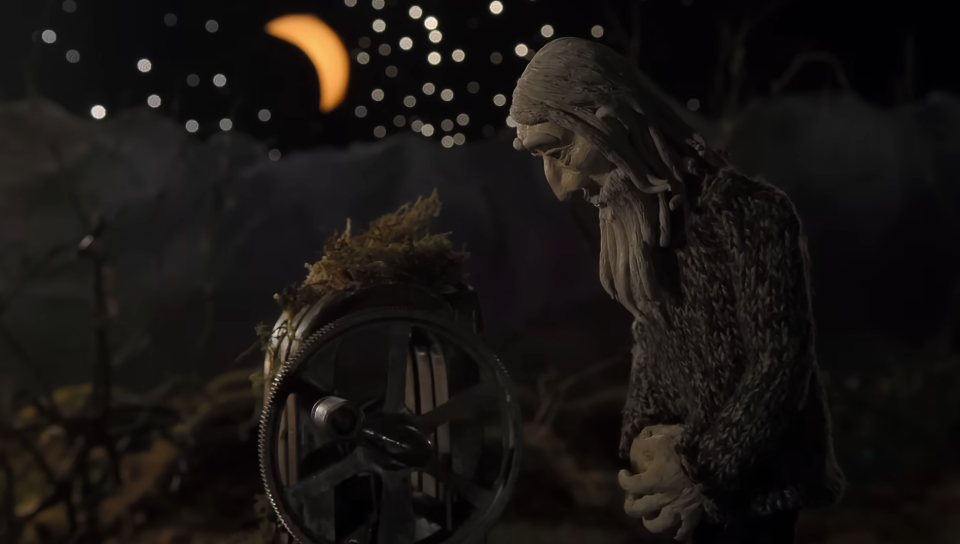
Watch the music video for the song “White Winter Hymnal” by Fleet Foxes.
The following activities and questions are designed to help your students use their noticing skills to move through the poem and develop their thinking skills so they understand its meaning with confidence, using what they’ve noticed as evidence for their interpretations. Read more about the framework upon which these activities are based.
-
Warm-up: Watch the music video for the song “White Winter Hymnal” by Fleet Foxes. What stands out to you most in the video? Why?
-
Before Reading the Poem: Look closely at the painting The West Wind by Winslow Homer. What stands out in the painting? Why? Take a few minutes and write a story about what you notice. Share what you wrote with your classmates. What patterns or connections did you notice in what people shared? Now, look again at the painting. What else do you see? What questions, if any, do you have? How does this painting connect to or contrast with the music video you just viewed?
-
Reading the Poem: Silently read the poem “West Wind in Winter” by Alice Meynell. What do you notice about the poem? Note any words or phrases that stand out to you or any questions you might have.
-
Listening to the Poem: Enlist two volunteers and listen as the poem is read aloud twice. Write down any additional words and phrases that stand out to you. You may enjoy listening to a reading of the poem.
-
Small Group Discussion: Share what you noticed about the poem with a small group. How might this poem connect to the resources from the beginning of class? What do you think of the title “West Wind in Winter”? How is the wind personified in the poem?
-
Whole Class Discussion: What contrasts or shifts in tone do you notice in the poem? How is the wind connected to poetry and/or creativity? How does this compare with your own ideas about creativity and the natural world?
-
Extension for Grades 7-8: (Teachers, you can find more information about the exquisite corpse method, which inspired this activity.) Look back at the painting The West Wind. Swap the writing from earlier in class with that of another student. Read what this student wrote and continue the story that this student started by writing one more line or sentence. Swap papers with a new person, and that person should add another line/sentence. After a few minutes, give the paper back to the original writer. Now, that writer should finish the story. Share your exquisite corpse writing with the class. What did you like about this activity? What was challenging?
- Extension for Grades 9-12: Rewrite this poem from the point of view of the west wind. What might the wind want to say if it had a voice? Try using personification and other poetic devices in your writing. Share your poem with the class. After everyone has shared, what did you like about these poems? What did you notice?
Exquisite corpse is a collaborative poetry game that traces its roots to the Parisian Surrealist movement. Exquisite corpse is played by several people, each of whom writes a word on a sheet of paper, folds the paper to conceal it, and passes it on to the next player for his or her contribution. Read more about the exquisite corpse.
Personification is the endowment of inanimate objects, animals, or abstract concepts with animate or human-living qualities.