
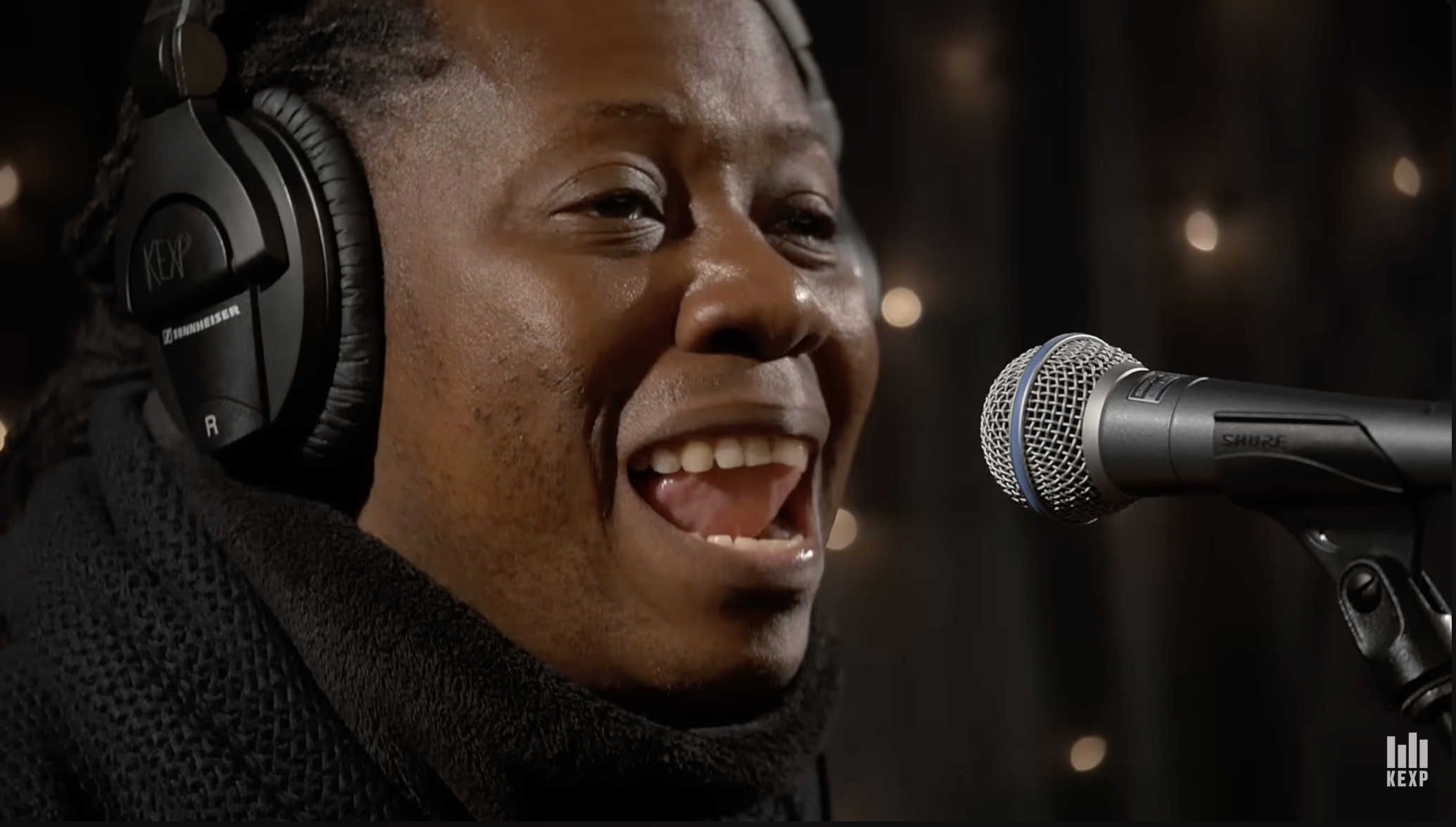
Listen to the song “Landini” by Aurelio Martinez.
The following activities and questions are designed to help your students use their noticing skills to move through the poem and develop their thinking skills so they understand its meaning with confidence, using what they’ve noticed as evidence for their interpretations. Read more about the framework upon which these activities are based.
-
Warm-up: Draw or sketch items, people, and/or places that are meaningful to you. Share your drawing with a partner or small group and describe in detail one of the things in your drawing. Why is this meaningful?
-
Before Reading the Poem: Listen to the song “Landini” by Aurelio Martinez. What stands out in the song? What emotions does this song evoke? Why?
-
Reading the Poem: Silently read the poem “We All Return to the Place Where We Were Born” by Oscar Gonzales. What do you notice about the poem? Note any words or phrases that stand out to you or any questions you might have.
-
Listening to the Poem: Enlist two volunteers and listen as the poem is read aloud twice. Write down any additional words and phrases that stand out to you. You may enjoy listening to the poet read the translation and poem.
-
Small Group Discussion: Share what you noticed about the poem with a small group. Based on the details you just shared with your small group and the resources from the beginning of class, what does this poem say about home? What imagery does the poem use to represent home?
-
Whole Class Discussion: What do you think of the title, “We All Return to the Place Where We Born”? What does it mean to return? Can a poem be a way of returning or leaving? With a partner or small group, choose one of the stanzas in the poem. Read your selected stanza. Then, share with the class what stood out to you in this stanza and why. How is this stanza important to the poem?
-
Extension for Grades 7-8: Write your own poem that responds to the title, “We All Return to the Place Where We Born.” What does this title mean to you? Why? Share your poem with your classmates.
-
Extension for Grades 9-12: In honor of Hispanic Heritage Month, read more poets. Choose three poets to read and learn more about. Create a poster that teaches younger students about these poets. Share your poster with the class.
To celebrate National Hispanic Heritage Month in September and October—and all year long—browse this selection of teaching resources featuring poems by Richard Blanco, Juan Felipe Herrera, Gabriela Mistral, and many others.