
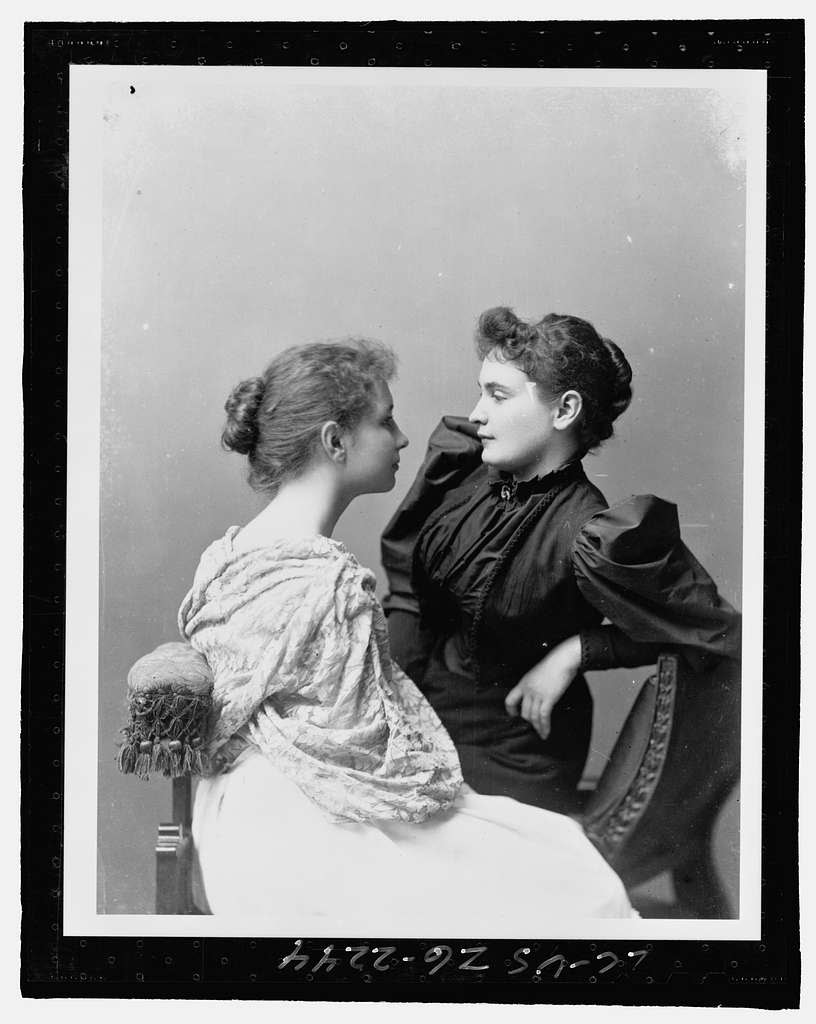
Look closely at these images of Helen Keller and Keller with her teacher Anne Sullivan.
The following activities and questions are designed to help your students use their noticing skills to move through the poem and develop their thinking skills so they understand its meaning with confidence, using what they’ve noticed as evidence for their interpretations. Read more about the framework upon which these activities are based.
-
Warm-up: Look closely at these images of Helen Keller and Keller with her teacher, Anne Sullivan. What stands out to you in the images? Why?
-
Before Reading the Poem: Watch the video of the song “Here Comes the Sun” by the Beatles. What words or phrases stand out from the song? Why?
-
Reading the Poem: Silently read the poem “Of a Sun She Can Remember” by Eleanor Wilner. What do you notice about the poem? Note any words or phrases that stand out to you or any questions you might have.
-
Listening to the Poem: Enlist two volunteers and listen as the poem is read aloud twice. Write down any additional words and phrases that stand out to you. You may want to watch a video of the poet reading the poem.
-
Small Group Discussion: Share what you noticed about the poem with a small group. How do the resources from the beginning of class connect to the poem? What did you know about Helen Keller before reading this poem? What does this poem show about Keller and Sullivan?
-
Whole Class Discussion: How does the poem use light and dark? How would you describe the tone at the beginning and end of the poem? What is the turning point in the poem?
-
Extension for Grades 7-8: (Teachers, before class, excerpt lines from the poem that you think your students might enjoy and make a few copies.) In the video, Wilner describes the poetic form renga in which poets write new poems based on lines from other poets. Use one or more of the lines you receive from your teacher to create a poem. Share your poem with your class. Which lines did you use? Which lines did you not use? How did it feel to write a poem like this?
-
Extension for Grades 9-12: Watch more poets read their work for Dear Poet 2026. Find a poem that speaks to you, and write a letter to the poet of your choice. (You can find examples of letters in this booklet.) What questions do you want to ask? Share your writing with your class, and if possible, submit your letters to the Dear Poet project.
As a part of his Poem-a-Day curation, the Academy of American Poets asked July 2023 Poem-a-Day Guest Editor John Lee Clark to curate ten classic poems and write ten accompanying About this Poem statements about how Disability poetics can give us insight into poetry from the historical archive. Read more.