
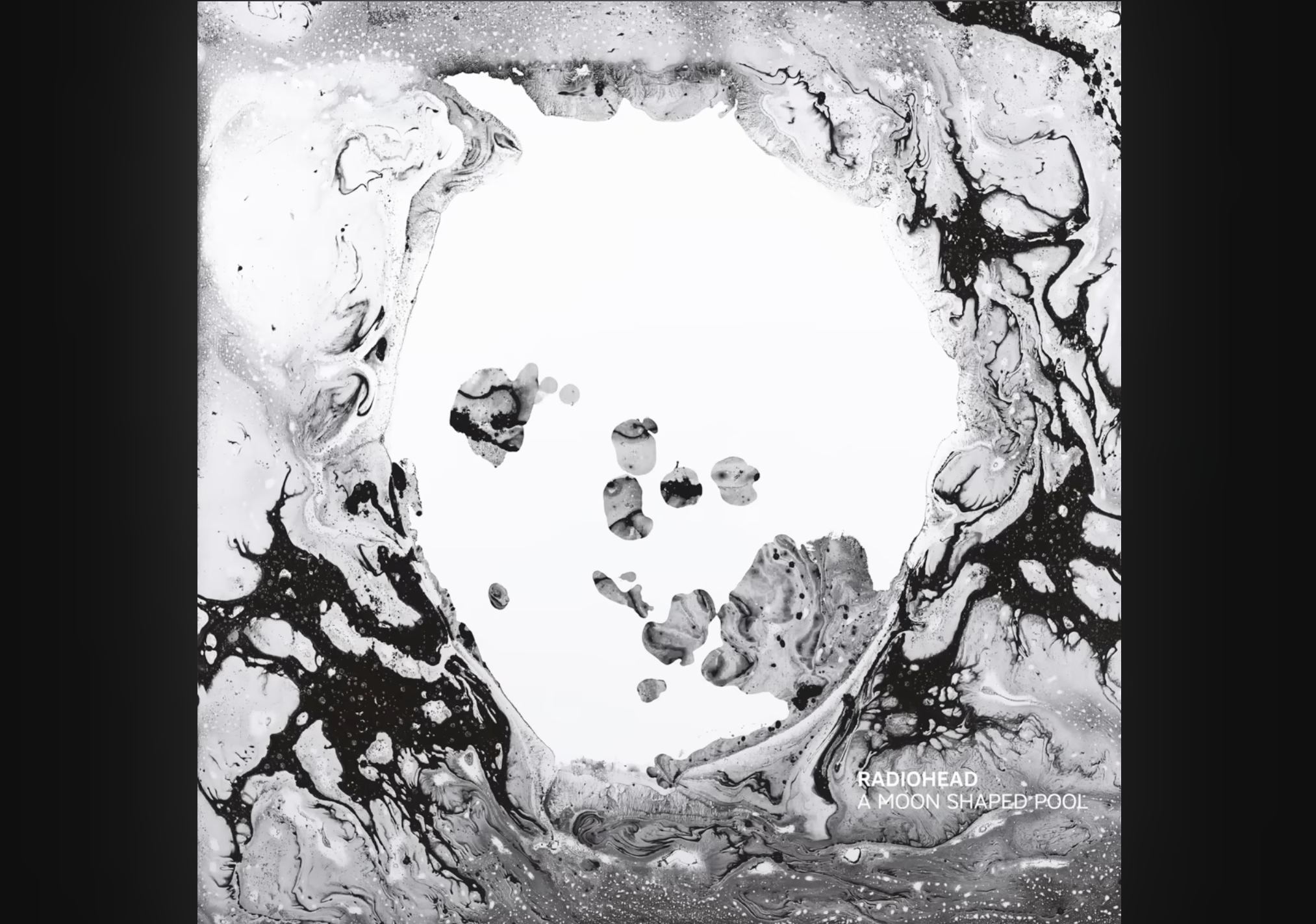
Listen to the song “Decks Dark” by Radiohead.
The following activities and questions are designed to help your students use their noticing skills to move through the poem and develop their thinking skills so they understand its meaning with confidence, using what they’ve noticed as evidence for their interpretations. Read more about the framework upon which these activities are based.
-
Warm-up: Before class, bring in the lyrics to a school appropriate song that you really enjoy. Share this song with a classmate or small group. What do you like about the music? What is your favorite line? Why do you like it?
-
Before Reading the Poem: Listen to the song “Decks Dark” by Radiohead. You can find the lyrics here. What did you enjoy about the song? What lyrics stood out and why? What emotions did the song evoke?
-
Reading the Poem: Silently read the poem “Record Player” by Adrian Matejka. What do you notice about the poem? Note any words or phrases that stand out to you or any questions you might have.
-
Listening to the Poem: Enlist two volunteers and listen as the poem is read aloud twice. Write down any additional words and phrases that stand out to you. You might enjoy listening to the poet read the poem.
-
Small Group Discussion: Share what you noticed about the poem with a small group. Based on the details you just shared with your small group, how do the resources from the beginning of class relate to the poem? What imagery do you notice in the poem? How does the poem juxtapose the act of listening with acts of destruction? How does the poem zoom into the moment and out to larger issues?
-
Whole Class Discussion: The poetic form ekphrasis uses vivid language to describe a work of art. Reread the epigraph from the Radiohead song you just listened to, as well as the About this Poem section in the poem. In your mind, how are music and poetry connected? How are the song and poem connected?
-
Extension for Grades 7-8: Write your own poem or creative piece inspired by the poem. Try zooming in with vivid imagery and zooming out to larger issues. Share your poem with the class. How did it feel to write this poem? Why?
-
Extension for Grades 9-12: Read more ekphrastic poems. In the About this Poem section, the poet writes, “Music simultaneously inspires through the curious heart as well as through the listening ear.” Carefully reread the song lyrics you brought to class or “Decks” by Radiohead and note which lyrics stand out to you. Write your own ekphrastic poem using the song. Participate in a listening party with your class where you read your work and play the song that inspired it. Celebrate your classmates by sharing what you enjoyed about their poems.
“In this way, ekphrasis remains, for me, one of most accompanied forms of poetic investigation: you’re never alone, you’re never starting from scratch, and you’re always mingling with a lineage you’ve yet to comprehend fully. In some ways, it’s the closest you and I will ever come to understanding each other on our own terms. See that color? You say blue and I tuck my thumb into my palm and wave right back.” Read “Ekphrasis in Air: A Bridge, a Beckoning” by Meg Day.