
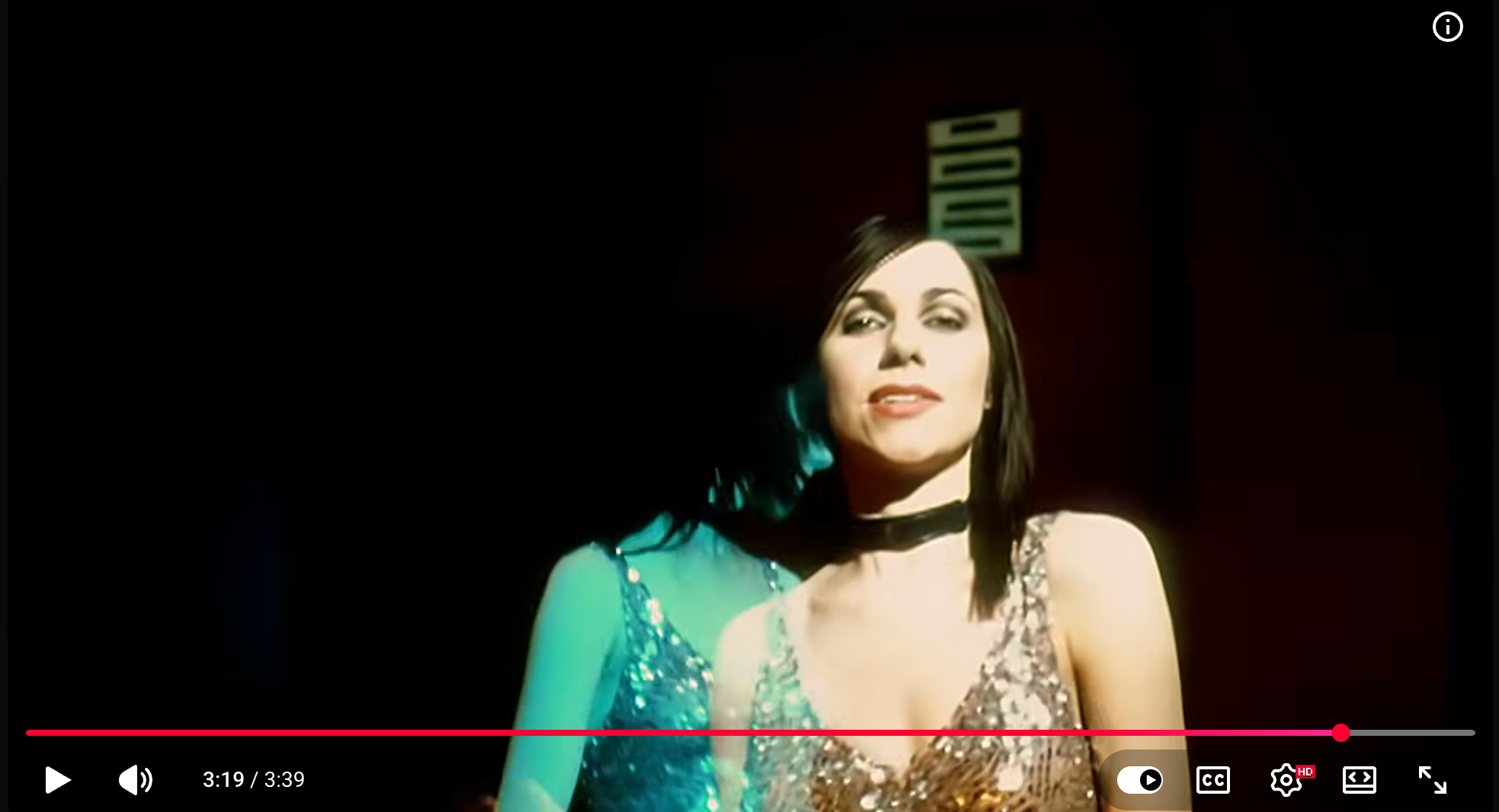
Listen to the song “A Place Called Home” by PJ Harvey.
The following activities and questions are designed to help your students use their noticing skills to move through the poem and develop their thinking skills so they understand its meaning with confidence, using what they’ve noticed as evidence for their interpretations. Read more about the framework upon which these activities are based.
-
Warm-up: What comes to mind when you hear this phrase: “You have to imagine ...” Write for a few minutes about a world that is different from the current one. What do you imagine? Share a sentence or two from your writing. (Teachers, you might want to ask everyone to share.) What patterns do you notice about what people imagined?
-
Before Reading the Poem: Listen to the song “A Place Called Home” by PJ Harvey. What words or phrases stand out to you? Why? What connections can you make between what your classmates shared and the song?
-
Reading the Poem: Silently read the poem “Proof” by Cornelius Eady What do you notice about the poem? Note any words or phrases that stand out to you or any questions you might have.
-
Listening to the Poem: Enlist two volunteers and listen as the poem is read aloud twice. Write down any additional words and phrases that stand out to you. You might enjoy watching a video of the poet reading the poem.
-
Small Group Discussion: Share what you noticed about the poem with a small group. How do the resources from the beginning of class connect to the poem? What do you think of the title “Proof”? How does the repetition of the line, “You have to imagine” connect to what you and your classmates envisioned?
-
Whole Class Discussion: This poem is an inaugural poem, which is a poem read at a presidential, gubernatorial, or mayoral inauguration. It was read at the recent inauguration of the New York City Mayor Zohran Mamdani. Inaugural poems are a type of occasional poem. An occasional poem is a poem written to document or provide commentary on an event, and it is often read publicly. Whom or what do you think the speaker in the poem is addressing? What message do they want readers to remember? Why?
-
Extension for Grades 7-8: Research and watch videos of past inaugural poems. Then write a brief paragraph about which poem stood out the most to you and why. Be sure to include lines from the poem in your writing.
-
Extension for Grades 9-12: Write your own occasional poem expanding on the prompt from the beginning of class or a new idea. What is it that you want to say right now? Why? Read your poem for the class. After everyone has shared, what patterns did you notice in the poems shared today?
In the United States and beyond, elections provide regular opportunities for communities and countries to reflect on our histories. From voting to inauguration, each moment we have to voice our hopes for the community acts as powerful way to think about how our individual values impact the future of our governments, cultures, and civilizations. Find more information about inaugural poems as well as a lesson sequence.
An occasional poem is a poem written to document or provide commentary on an event. It is often intended to be read or performed publicly.