
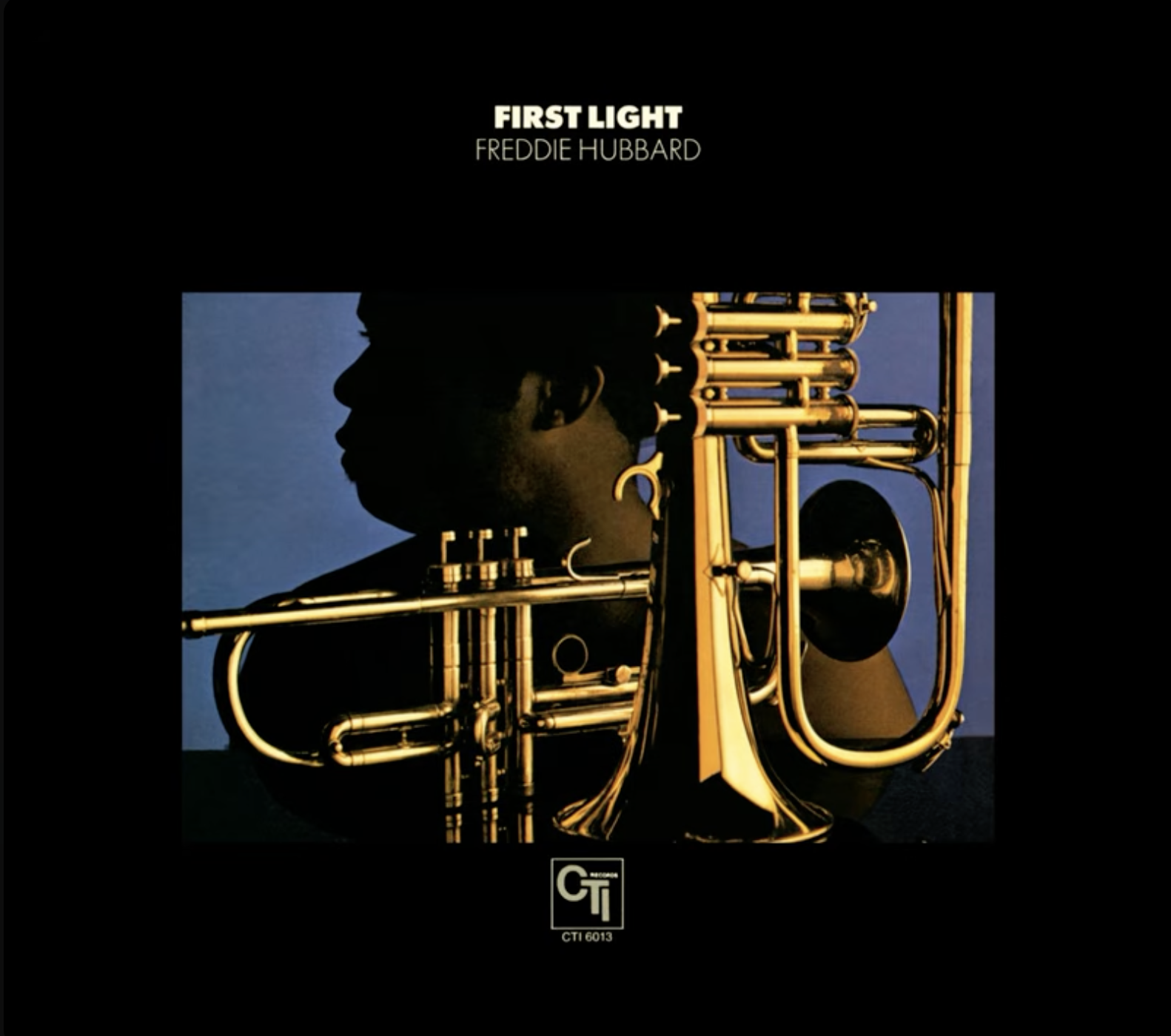
 Listen to the song “First Light” by Freddie Hubbard.
The following activities and questions are designed to help your students use their noticing skills to move through the poem and develop their thinking skills so they understand its meaning with confidence, using what they’ve noticed as evidence for their interpretations. Read more about the framework upon which these activities are based.
-
Warm-up: (Teachers, we suggest that you select a few images for your students and then assign them one image to closely read.) Look closely at your image of a still-life painting. What stands out to you about this painting? Why? Look again. What do you see? What does this tell you? What questions do you have? Share your painting with the class and explain a few things you noticed while looking closely at this painting.
-
Before Reading the Poem: Listen to the song “First Light” by Freddie Hubbard. What instruments stand out? What emotions does this song evoke? Why?
-
Reading the Poem: Silently read the poem “First Light” by Morgan Parker. What do you notice about the poem? Note any words or phrases that stand out to you or any questions you might have.
-
Listening to the Poem: Enlist two volunteers and listen as the poem is read aloud twice. Write down any additional words and phrases that stand out to you. You may enjoy listening to the poet read the poem.
-
Small Group Discussion: Share what you noticed about the poem with a small group. How do the resources from the beginning of class connect to the poem? What do you think of the title, “First Light”?
-
Whole Class Discussion: What do you notice about the speaker and the “you” in the poem? The second stanza reads, “I sit at a typewriter: The 1st love poem by Morgan Parker, / prominent author and single person, because in this / thin slice of universe, I see how it could be.” Do you think this is a love poem? Why or why not?
-
Extension for Grades 7-8: Think back to the still-life paintings you viewed at the beginning of class. Create a still life of this poem. What imagery from the poem should you include in your still life? Where might you place the speaker and the “you” from the poem? Share your still life with the class and explain your choices.
-
Extension for Grades 9-12: Read the poet’s essay “Love Poems Are Dead,” or watch this video about the poet’s book of essays on mental health, You Get What You Pay For (One World, 2024). Write a response. Share your response with your teacher.
“This is not a world for love poems. I wish it were. I wish my heart could feed a love poem, but this heart needs convincing to walk outside. I’d like to write a love poem some day, but I need to be taught how. I need to know I’m allowed, and I deserve it.” Read “Love Poems Are Dead” by Morgan Parker.