
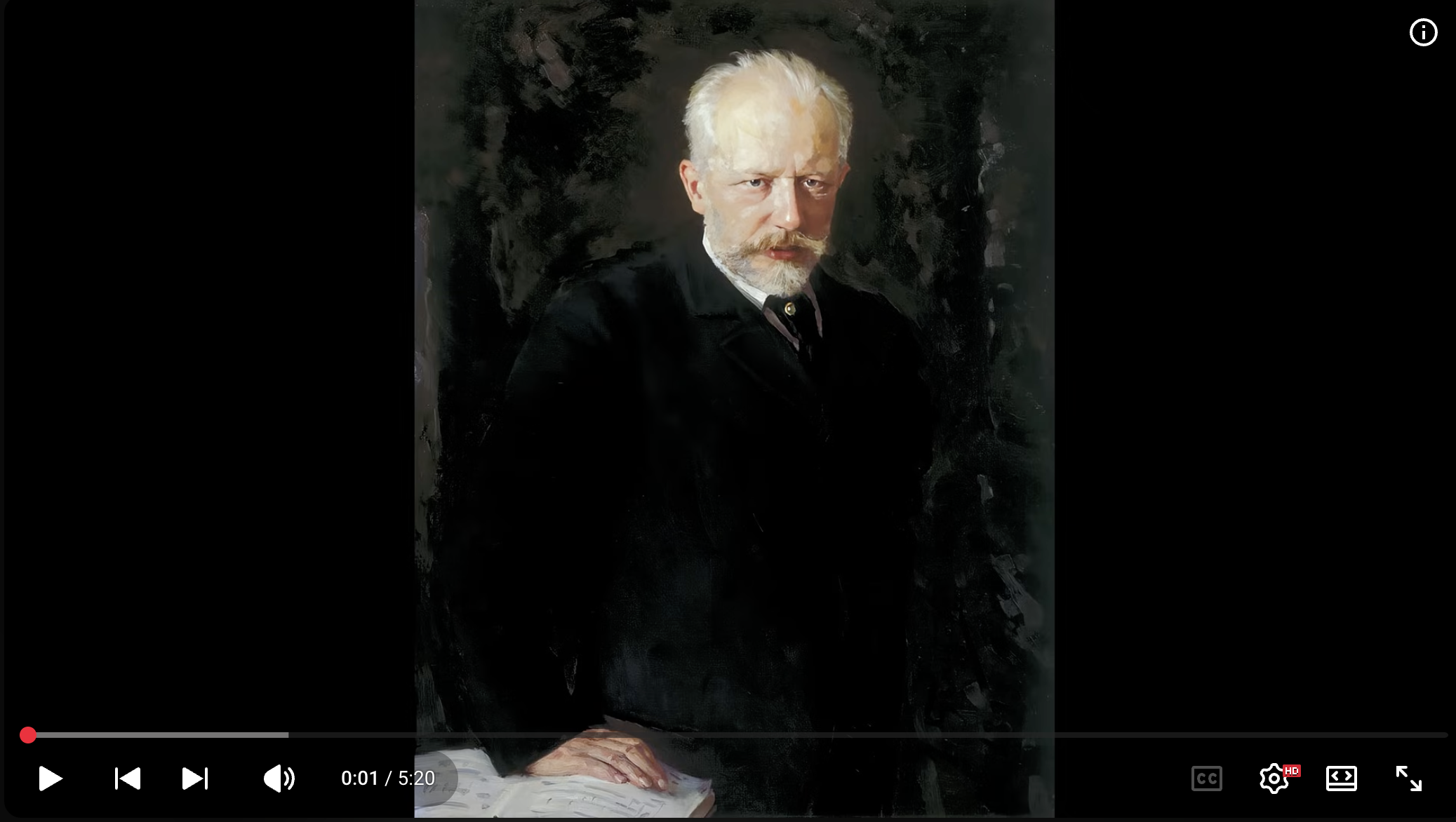
Listen to “Autumn Song” by Tchaikovsky.
The following activities and questions are designed to help your students use their noticing skills to move through the poem and develop their thinking skills so they understand its meaning with confidence, using what they’ve noticed as evidence for their interpretations. Read more about the framework upon which these activities are based.
-
Warm-up: Listen to “Autumn Song” by Tchaikovsky. Free-write or draw what comes to mind as you listen to the song. How does the song “translate” autumn? Share your writing or drawing with a classmate. What does it mean to translate something?
-
Before Reading the Poem: Watch this short animated film Automne. What stands out to you in the film? Why? What does this film make you think about autumn?
-
Reading the Poem: Silently read the poem “Autumn” by Rainer Maria Rilke. What do you notice about the poem? Note any words or phrases that stand out to you or any questions you might have.
-
Listening to the Poem: Enlist two volunteers and listen as the poem is read aloud twice. Write down any additional words and phrases that stand out to you.
-
Small Group Discussion: Share what you noticed about the poem with a small group. How do the resources from the beginning of class connect to the poem? What does this poem say about autumn? How does this speaker feel about the seasons changing? How do you know?
-
Whole Class Discussion: What do you think of the line “Thus all doth fall. This hand of mine must fall”? How does the final stanza use repetition?
-
Extension for Grades 7-8: In honor of National Translation Month, choose a poem in translation to read. Share your chosen poem with the class, and share three things you enjoyed about poem and three things you learned about the poet.
-
Extension for Grades 9-12: Work with a partner or small group to choose and read a different translation of the poem. Read your selected translation. Discuss how this translation compares to the one you read in class.
“Beware of general themes. Cling to those that your every day life offers you. Write about your sorrows, your wishes, your passing thoughts, your belief in anything beautiful. Describe all that with fervent, quiet, and humble sincerity. In order to express yourself, use things in your surroundings, the scenes of your dreams, and the subjects of your memory.” Read “Letters to a Young Poet” [The First Letter] by Rilke.
Translation is the art of transferring meaning from one language to another. Read more.