
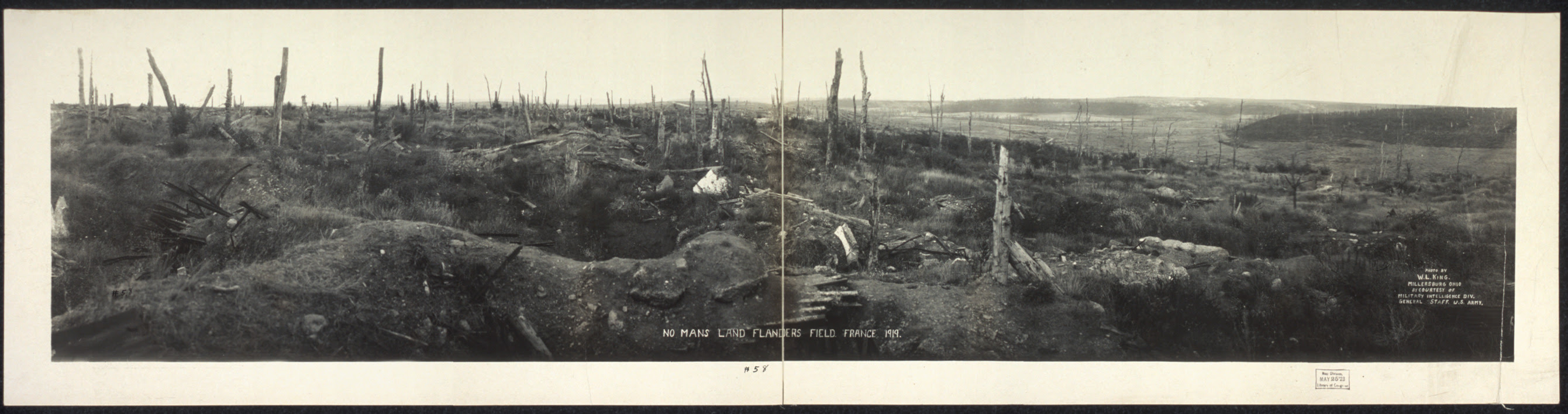
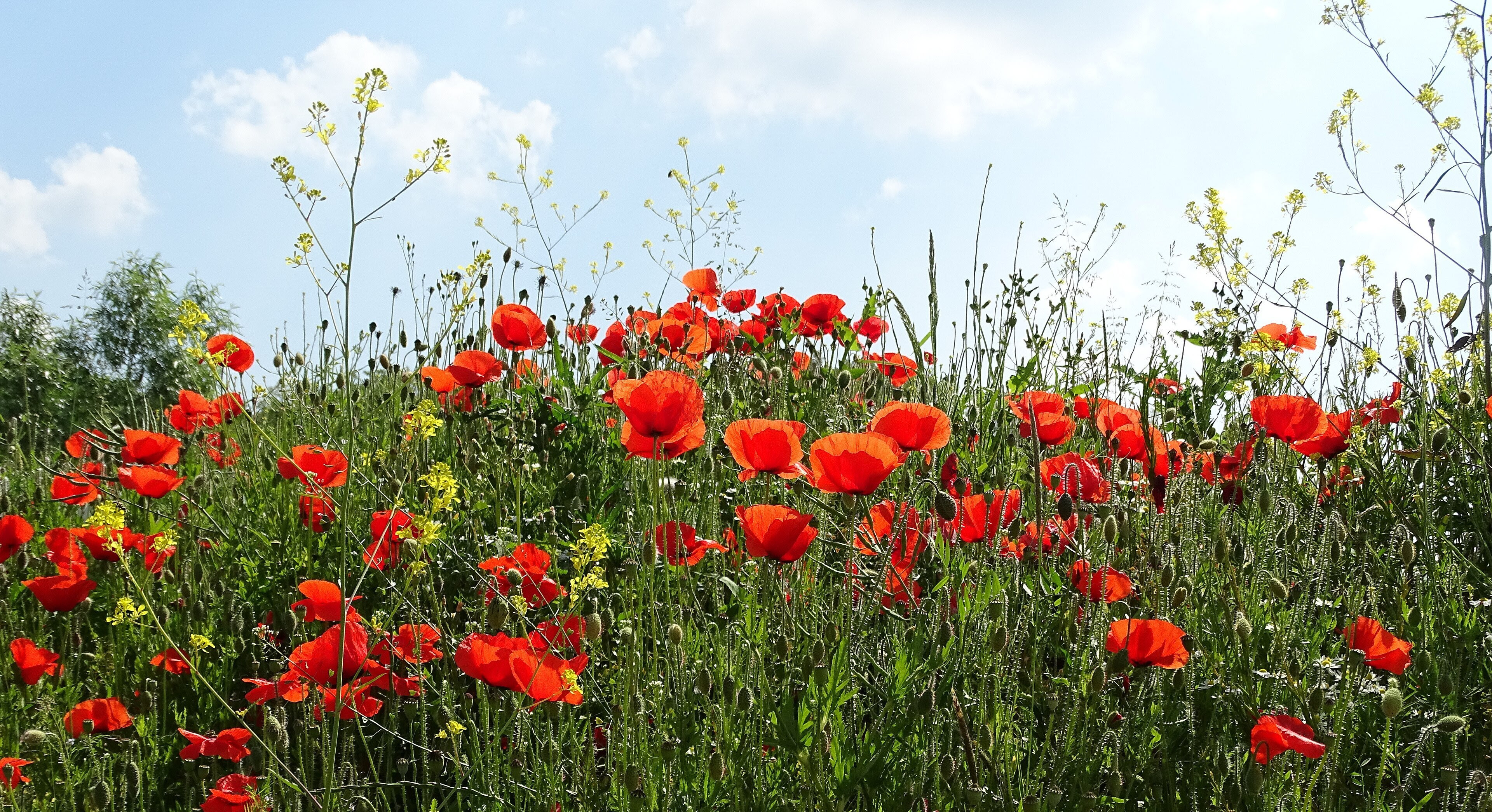
Look closely at this image of Flanders Field and this image of poppies.
The following activities and questions are designed to help your students use their noticing skills to move through the poem and develop their thinking skills so they understand its meaning with confidence, using what they’ve noticed as evidence for their interpretations. Read more about the framework upon which these activities are based.
-
Warm-up: Look closely at this image of Flanders Field and this image of poppies. What stands out to you? Why? Look again. What else do you see? Why might this field be important?
-
Before Reading the Poem: Watch this short video about the history of Flanders Field and the poem you are about to read. What did you learn from the video? What questions, if any, do you still have?
-
Reading the Poem: Silently read the poem “In Flanders Fields” by John McCrae. What do you notice about the poem? Note any words or phrases that stand out to you or any questions you might have.
-
Listening to the Poem: Enlist two volunteers and listen as the poem is read aloud twice. Write down any additional words and phrases that stand out to you. You might enjoy listening to Leonard Cohen read the poem.
-
Small Group Discussion: Share what you noticed about the poem with a small group. How does the poem connect to the image and video from the beginning of class? What do you notice about the point of view in the poem? Why is this important?
-
Whole Class Discussion: What do you notice about the repetition of the phrase “in Flanders Fields”? How does the poet give the dead a voice? Why does this matter? (Teachers, you can find more information about Flanders Field.)
-
Extension for Grades 7-8: Read more poems in honor of Memorial Day. Choose a few poems to read and enjoy. Then write your own response to one of the poems or something important to you. Share your poem with the class.
-
Extension for Grades 9-12: Read more poems in honor of Memorial Day. Choose a few poems to read and enjoy. Research these poets or the historical background in the poem. Share your findings with the class.
“John McCrae’s poem is not the only link between the poppy and the war. Poppies prosper on rubble and in places where the soil is frequently disturbed. The battlefield in Flanders was one big pile of warn-torn soil and the ground was churned up by thousands of shells. This made the seeds germinate. So, the abundance of red poppies on the battlefields of Flanders—often the only spots of colour in a sad landscape of ruin, mud and bomb craters—had everything to do with the war.” Read more about the poem.