
Spring and Fall
to a young child
Márgarét, áre you gríeving
Over Goldengrove unleaving?
Leáves, like the things of man, you
With your fresh thoughts care for, can you?
Ah! ás the heart grows older
It will come to such sights colder
By and by, nor spare a sigh
Though worlds of wanwood leafmeal lie;
And yet you will weep and know why.
Now no matter, child, the name:
Sórrow’s spríngs áre the same.
Nor mouth had, no nor mind, expressed
What heart heard of, ghost guessed:
It ís the blight man was born for,
It is Margaret you mourn for.
This poem is in the public domain. Published in Poem-a-Day on July 25, 2026, by the Academy of American Poets.
“Spring and Fall” was collected in Gerard Manley Hopkins’s Poems (Humphrey Milford, 1918). For the podcast Close Readings, poet Maya C. Popa was in conversation with Kamran Javadizadeh, an associate professor of English at Villanova University. In her analysis of “Spring and Fall,” Popa said, “In reality the tree is going nowhere, it’s still alive, it’s dormant, it’s a season, it’s not leaving. And on the other hand she’s [Margaret] the one who’s going to leave.… That tree existed before her and that tree will exist when she’s gone. In some ways, these are the spiritual exercises of nature, they are continuous. And we have our ‘seasons,’ too, but we feel in much more emotionally taxing ways about our seasons than nature seems to feel. Nature does not seem to worry about its ebbs and flows, and we are in a constant state of neurosis about death.”
Gerard Manley Hopkins
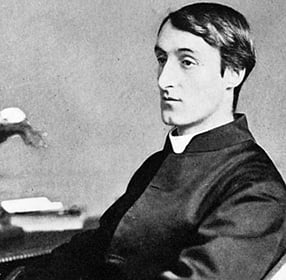
Born at Stratford, Essex, England, on July 28, 1844, Gerard Manley Hopkins