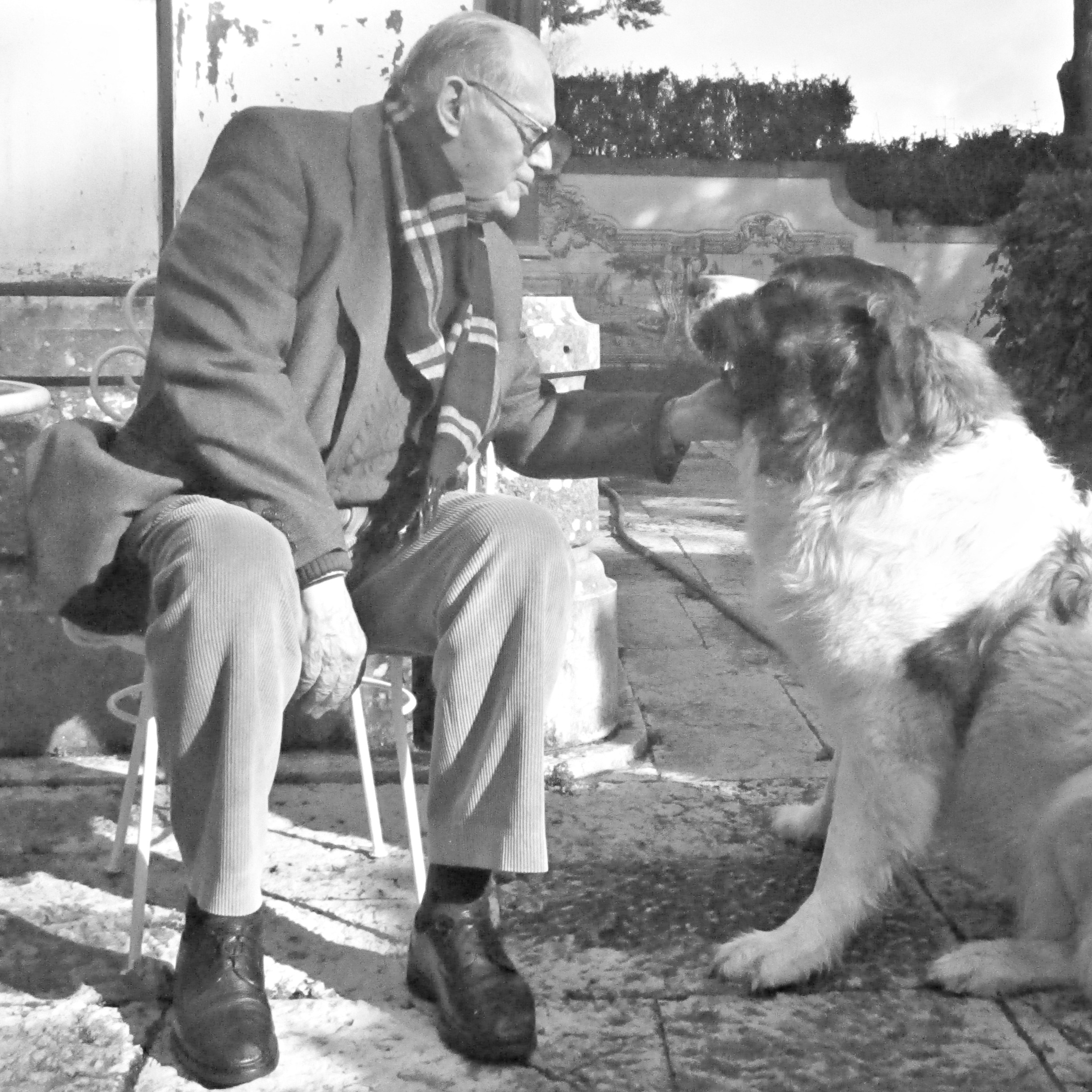
Consolation of Poetry
translated from the Portuguese by Patricio Ferrari and Susan Margaret Brown
I don’t like silent
graveyards. The Greeks
and Romans had,
along the roads,
verses inscribed
on tombstones
to accompany them,
words that so often
showed them proud
of what they had been.
They believed in poetry,
not in death.
A consolação da poesia
Não gosto dos silenciosos
cemitérios. Os gregos
e os Romanos tinham
a acompanhá-los,
ao longo das estradas,
uns versos inscritos
na pedra tumular,
que tantas vezes
os expunha como seres
orgulhosos do que tinham sido.
Acreditavam na poesia,
nunca na morte.
Copyright © 2026 by António Osório, translated by Patricio Ferrari and Susan Margaret Brown. Originally published in Poem-a-Day on September 7, 2026, by the Academy of American Poets.
“‘Consolation of Poetry’ comes from António Osório’s final book, A felicidade da luz [Joy of Light]. In this late poem, Osório sets silent cemeteries against the ancient Greek and Roman practice of inscribing verses on tombstones along roads. Susan Margaret Brown and I were drawn to the poem’s faith in poetry as an act of remembrance: these inscriptions do not deny mortality but allow the dead to speak—proudly, intimately—to those passing by. Its spare movement toward utterance embodies what we most admire in Osório: clarity, compassion, and an unwavering attention to what endures.”
—Patricio Ferrari
António Osório