Be Less Poetic
translated from the Arabic by Tayseer Abu Odeh and Sherah Bloor
The woman in her wedding dress is not a poem, no
poem could outsmart her brother.
The women dancing in the wedding hall
are not poems either and neither is their father, stood
in the corner
gathering up the years of his life, year by year.
The mother feeds her children the day’s honey
with affection and a little cunning.
Just before the wedding this morning,
the women rushed to the market,
No poem is equal to a woman who’s decided
to move on
Her hand began to perspire in yours. That was
before the war.
War was waiting down the road. Then
a taxi tore past.
There was that midnight longing
the early days of love.
But be less poetic about it.
Your heart is going to break in new ways.
ﻛﻦ أﻗﻞ ﺑﻼﻏﺔ
ﻛﻦ أﻗﻞ ﺑﻼﻏﺔ
اﳌﺮأة في ﺛﻮب زﻓﺎﻓها ليست ﻗﺼﻴﺪة
...ﻻ ﺷﻌﺮ أﺟﻤﻞ ﻣﻦ أخ ﻳﻤﺴﻚ ﻳﺪ أﺧﺘﮫ اﻟﻌﺮوس ﻳﻮم اﻟﺰﻓﺎف
وﻻ اﻟﻔﺘﻴﺎت اﻟﻠﻮاتي ﻳﺮﻗﺼﻦ ﻛﻦّ ﻗﺼﺎﺋﺪ
وﻻ اﻷب اﻟﺬي ﻳﻘﻒ في زاوية اﻟﺼﺎﻟﺔ هناك
ﻳﻠﻤﻠﻢ ﺳﻨﻮات اﻟﻌﻤﺮ ﺳﻨﺔ، ﺳﻨﺔ... ا
اﻷم االتي ﺗﺮﺿﻊ أﻃﻔالها ﻋﺴﻞ اﻷﻳﺎم
ﻣﻦ ﻣﻜﺮ وﻋﺎﻃﻔﺔ
. ..وﻣﺎ ﻳﺠﺮي ﻗﺒﻞ اﻟﻌﺮس ﺳﺎﻋﺔ اﻟﻐﺪاء
ﻣﺸﺎوير اﻟﻔﺘﻴﺎت إلى اﻟﺴﻮق
عودتهنّ ﺑﺎﻟﻌﻄﺮ
واﻟﻔﺮح المستعجل في البيت
ﻻ ﺷﻌﺮ أﺟﻤﻞ ﻣﻦ اﻣﺮأة ﻗﺮرت أن تمضي
،شعرها خصرها
يدها التي تعرّقت بيديك
قبل الحرب
الشارع الذي احتضن خطواتكما الأولى
!...نحو ما لا تدريان
الخوف من المجهول الذي ينتظركما نهاية الشارع
اللهفة المستعجلة
Copyright © 2026 by Tariq Al-Arabi, translated by Tayseer Abu Odeh and Sherah Bloor. Originally published in Poem-a-Day on September 2, 2026, by the Academy of American Poets.
“‘Be Less Poetic’ lovingly evokes a Palestinian wedding—the hurried excitement, a market trip, perfume. Yet the poem recognizes that it cannot rival the event nor do what a wedding does—bring a community into being, transforming guests into kin. It struggles against the temptation to substitute its imagery for reality. In verse, it can hold the couple poised ‘before the war;’ in life, their fate remains uncertain. But if the poem asks to ‘become less of a poem,’ it must ‘be less poetic’—renounce allegorical consolations, and risk itself, as lovers must, with fidelity to life’s fullness, its fragility.”
—Tariq Al-Arabi
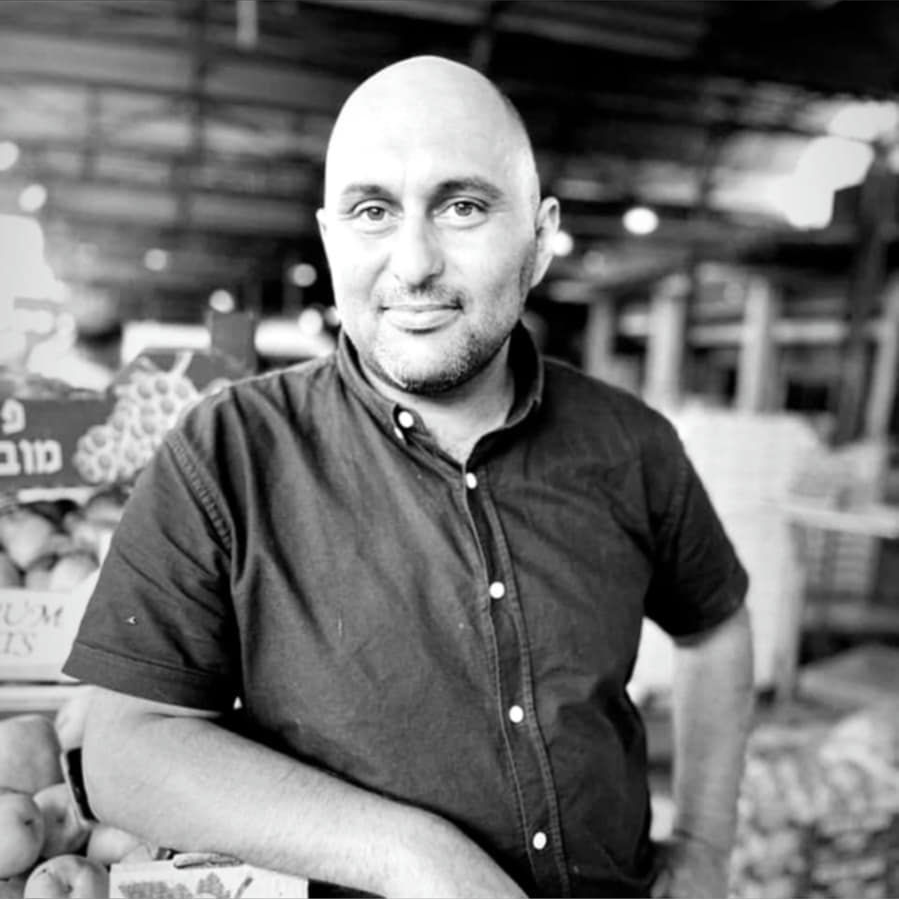
Tariq Al-Arabi