
Vita Nova
You saved me, you should remember me.
The spring of the year; young men buying tickets for the ferryboats.
Laughter, because the air is full of apple blossoms.
When I woke up, I realized I was capable of the same feeling.
I remember sounds like that from my childhood,
laughter for no cause, simply because the world is beautiful,
something like that.
Lugano. Tables under the apple trees.
Deckhands raising and lowering the colored flags.
And by the lake’s edge, a young man throws his hat into the water;
perhaps his sweetheart has accepted him.
Crucial
sounds or gestures like
a track laid down before the larger themes
and then unused, buried.
Islands in the distance. My mother
holding out a plate of little cakes—
as far as I remember, changed
in no detail, the moment
vivid, intact, having never been
exposed to light, so that I woke elated, at my age
hungry for life, utterly confident—
By the tables, patches of new grass, the pale green
pieced into the dark existing ground.
Surely spring has been returned to me, this time
not as a lover but a messenger of death, yet
it is still spring, it is still meant tenderly.
“Vita Nova” from Vita Nova by Louise Glück. Copyright © 1999 by Louise Glück. Used by permission of HarperCollins Publishers.
“Vita Nova” is the opening poem of Louise Glück’s collection of the same title (Ecco Press, 1999). About the poem, Joanne Feit Diehl, professor emerita at University of California, Davis, writes in her essay “‘From One World to Another’: Voice in Vita Nova,” collected in On Louise Glück: Change What You See (University of Michigan Press, 2005), “Both the opening and closing poems of this volume are entitled ‘Vita Nova,’ and each announces a distinct kind of beginning. [...] In the first ‘Vita Nova,’ a dream of youths laughing in spring leads the speaker to the realization that she ‘was capable of the same feeling.’ Memories from childhood add to this aura of pleasure, and another dream, this time of her mother ‘holding out a plate of little cakes,’ leaves her when she awakens ‘elated, at my age / hungry for life, utterly confident.’ And yet the exuberance of these dreams and associations confronts a haunting terminus; when spring returns, it is ‘not as a lover but a messenger of death.’ Yet the confident voice at the poem’s close testifies to both a recognition of the presence of death and an acceptance of the hope spring carries with it.”
Louise Glück
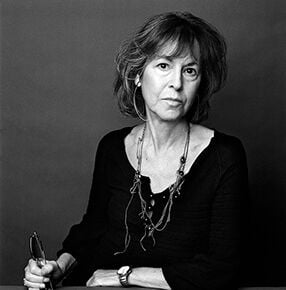
The author of numerous collections of poetry, Louise Glück is the recipient of the 2020 Nobel Prize in Literature, served as a Chancellor for the Academy of American Poets, and twas the Library of Congress’s poet laureate consultant in poetry.