From “traslaciones” [to sell the wasteland teeming with ghosts]
translated from the Spanish by Urayoán Noel
to sell the wasteland teeming with ghosts
the cavernous tongues hanging in the sun
the flanks skyfacing the braids
they sold the countryside naked and frozen
the red roof of the tabernacle the flag
and an immense tv glued to my history
still early a funeral on the cartoon
network : in whose full darkness i am
subjected linguistic philosophical variant
of the little bones of angela yvonne davis
dislocation of the mississippi body i be
of a stairway on the trembling coast
down south they found the dead bodies of the divers
that we sent to look for my skeleton
we are at best the treasures that sank with the
disheveled ships of civilization
[vender el páramo repleto de fantasmas]
vender el páramo repleto de fantasmas
las lenguas rupestres colgadas al sol
los costados cabezalcielo las trenzas
vendieron la campiña desnuda y helada
el techo rojo del sagrario la bandera
y una inmensa tv pegada a mi historia
aún temprano un funeral en el cartoon
network : en cuya plena oscuridad estoy
sujeta lingüística variante filosófica
de los huesitos de angela yvonne davis
dislocación del mississippi cuerpo soy
de una escalera en la costa temblorosa
al sur encontraron muertos los buzos
que enviamos a buscar mi osamenta
somos a lo más tesoros sumergidos con los
desaliñados barcos de la civilización
Copyright © 2026 by Wingston González and Urayoán Noel. Originally published in Poem-a-Day on July 1, 2026, by the Academy of American Poets.
“This poem is talking about how language keeps the wounds of history. It starts from the idea that writing is an action that mixes the corporeal and the political: the body, the sold land, the stolen memory. I use language as a form of resistance that can name both what has been lost and what still struggles to survive. It is about not forgetting, about seeking in words a way toward what remains when everything seems more or less like ash.”
—Wingston González
“This poem is part of a long, speculative, often surrealist sequence that works as a series of cantos. In translating, I was guided by the original’s music as much as its meaning, as I sought to honor the breathlessness of the poet’s eccentric style, which often eschews traditional syntax and punctuation and incorporates word play and neologisms. I was also inspired by González’s powerful performances to bring a physicality and rhythmic energy to the translation. I was interested in how music makes its own meanings—and its own geographies—across linguistic and cultural borders.”
—Urayoán Noel
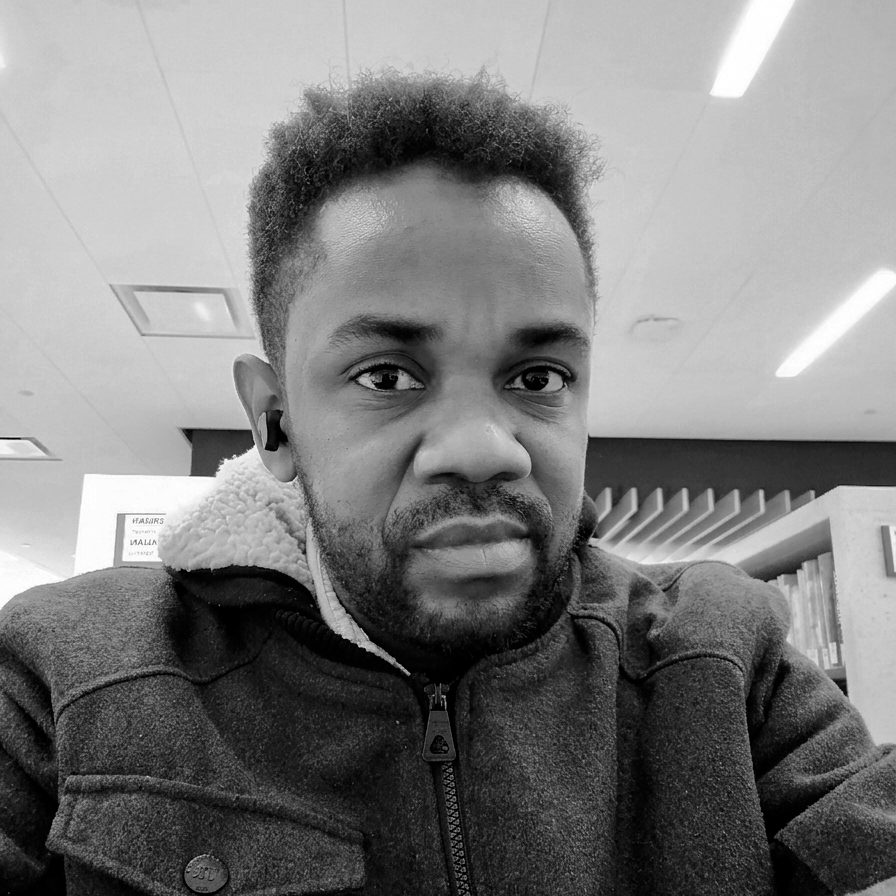
Wingston González