
Story
After our father walked out of the story, the house foreclosing,
our family toppling out from the garden onto the smoldering
asphalt. After his disappearance, the electric shutting off, living room
of smashed plates and torn couches. After there were no more pictures,
not a single photograph left of a child in a parent’s arms,
spaghetti smeared on the highchair, a birthday hat—the tinseled
spikelets of the carrot tops shivered near the empty gazebo
where a rabbit circled ryegrass. We scraped together enough money
to take a trip upstate and found ourselves drinking champagne
at a nightclub in Montreal. It was summer. The room swelled
with perfume, glittered like a painting I couldn’t touch. A stranger’s
arm rubbed mine while walking away. My brother danced
with a man who pinned a calla lily to his underwear
underneath the mesmerizing strobe lights. Music blared. Delirium
offered happiness before turning into a stoney sculpture
trapped on the bottom of a snow globe. I thought I would never
survive it. But how can you live and have no story to tell?
The museums, prismatic with history, were all outside. I thought
I could never return, though I wasn’t ready to give in. Along the base
of my brother’s back, history drew a putrid river olive with despair:
our reflections blithered from the water and, in the garden, all this time,
the rabbit was circling her burrow to prepare.
Copyright © 2026 by Carlie Hoffman. Originally published in Poem-a-Day on October 21, 2026, by the Academy of American Poets.
“In ‘Story,’ I make characters out of family members and explore family history through mythology, memory, and praise. The rabbit in the garden becomes a nearly mythic presence. She is instinct and vigilance, and the wonder and wisdom that can come from paying attention and allowing ourselves to change our perspectives and points of view. By the end, the poem seems to be saying: What follows a difficult experience is not only what’s lost but also the unknown, which is a form of possibility. To look back on a difficult experience and decide to praise is part of the healing power of language. I love the way poets return to our obsessions, each time finding a little more of the truth, told in a new slant. I view poetry as a means of living a prismatic life. And stories are part of how we live.”
—Carlie Hoffman
Carlie Hoffman
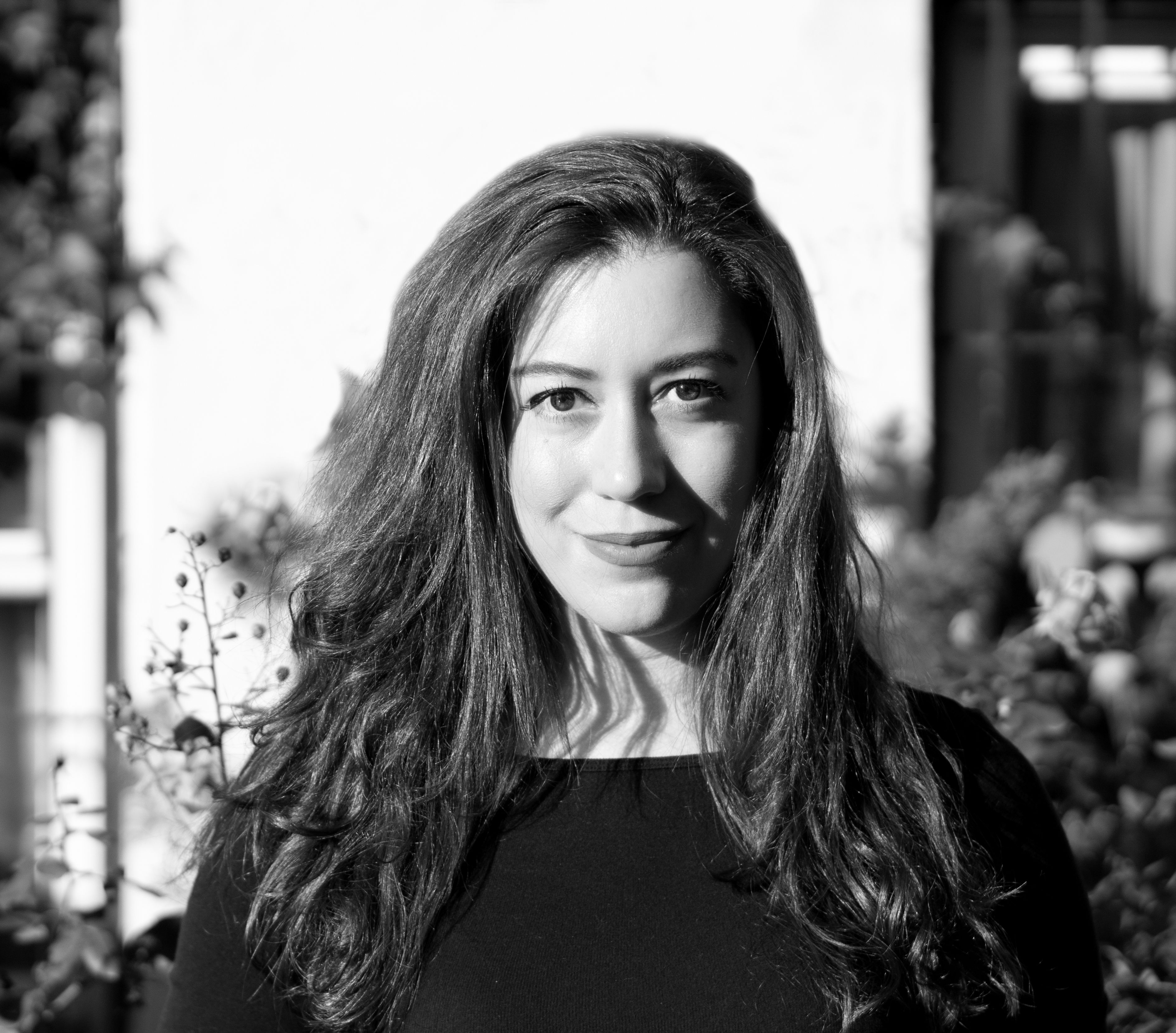
Carlie Eliana Hoffman is the author of the poetry collections Song of the Yellow Asters (World Poetry Books, 2026); One More World Like This World (Four Way Books, 2025); When There Was Light (Four Way Books, 2023), winner of the National Jewish Book Award; and This Alaska (Four Way Books, 2021), winner of the Northern California Publishers and Authors Gold Award in Poetry as well as a finalist for the Foreword INDIES Book of the Year Award.